
Last updated: October 2026
Natural history
Reading List · 8 books
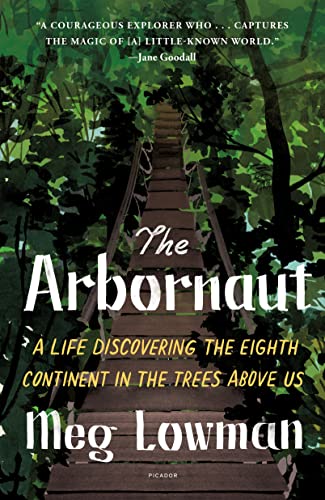
The Arbornaut: A Life Discovering the Eighth Continent in the Trees Above Us (opens in a new tab)
Meg Lowman
A memoir of tree scientist Meg Lowman’s canopy explorations around the world and her work studying and protecting forests.
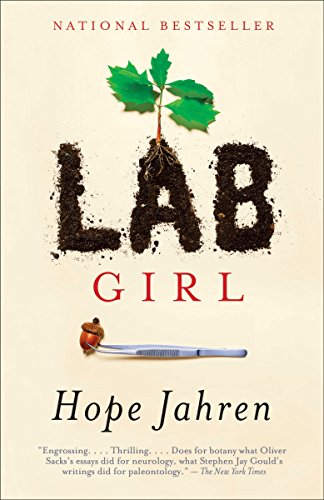
Lab Girl (opens in a new tab)
Hope Jahren
A memoir recounting Hope Jahren’s life as a scientist, her research, and her partnership with lab manager Bill.
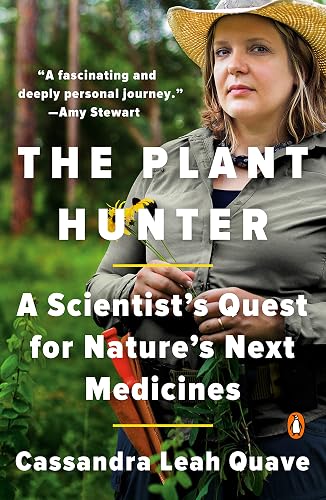
The Plant Hunter: A Scientist's Quest for Nature's Next Medicines (opens in a new tab)
Cassandra Leah Quave
Medical ethnobotanist Cassandra Quave recounts field research into plants and traditional remedies that may help address antimicrobial resistance.
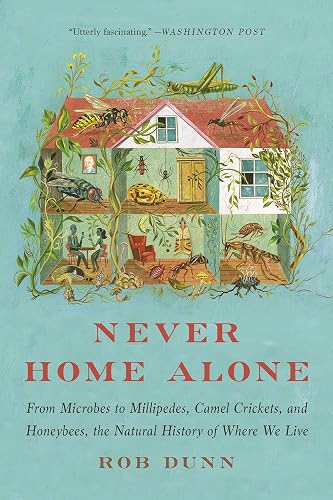
Never Home Alone: From Microbes to Millipedes, Camel Crickets, and Honeybees, the Natural History of Where We Live (opens in a new tab)
Rob Dunn
Biologist Rob Dunn surveys the diverse microbes and animals living in human homes and explains how modern domestic environments shape their evolution.
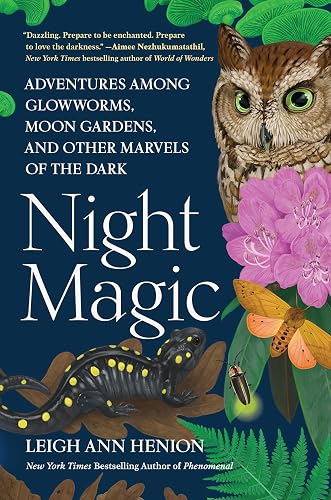
Night Magic: Adventures Among Glowworms, Moon Gardens, and Other Marvels of the Dark (opens in a new tab)
Leigh Ann Henion
Nature writer Leigh Ann Henion explores nocturnal wildlife and the wonders of natural darkness through encounters with species and naturalists in Appalachia.
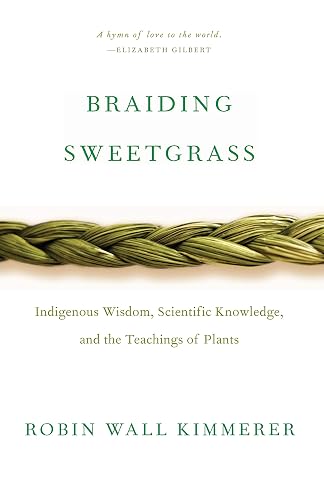
Braiding Sweetgrass: Indigenous Wisdom, Scientific Knowledge and the Teachings of Plants (opens in a new tab)
Robin Wall Kimmerer
A botanist and member of the Citizen Potawatomi Nation blends scientific knowledge and Indigenous teachings to explore reciprocal relationships between humans and the living world.
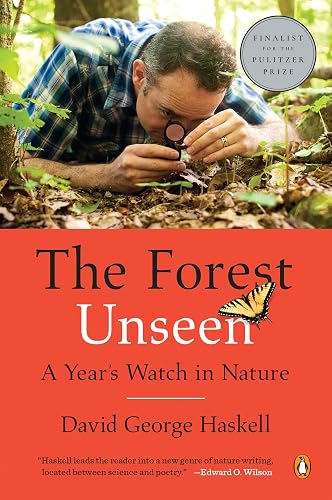
The Forest Unseen: A Year's Watch in Nature (opens in a new tab)
David George Haskell
Biologist David Haskell observes a one-square-meter patch of Tennessee forest over a year, using its seasonal details to illuminate ecology and the connections among living things.
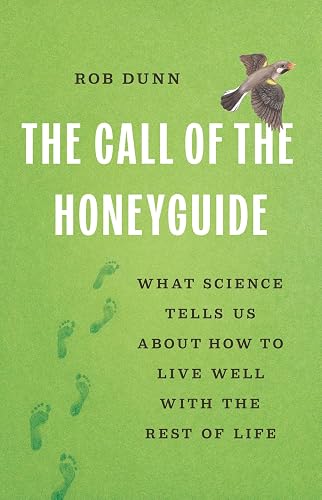
The Call of the Honeyguide: What Science Tells Us about How to Live Well with the Rest of Life (opens in a new tab)
Rob Dunn
Rob Dunn explores mutualism—from honeyguides and people to microbes, ants, plants, and animals—as a fundamental force in evolution and a model for a more interconnected human future.